

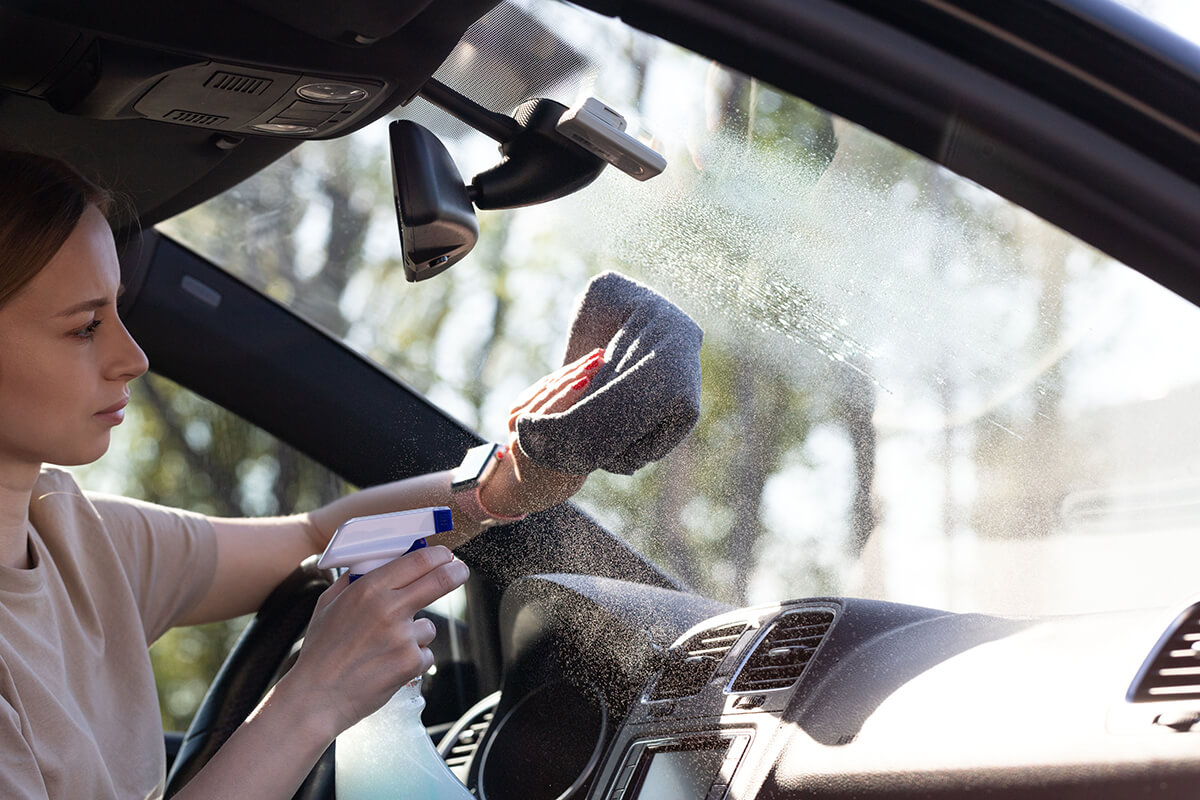
When you wash your car, chances are you spend time polishing the exterior of your windshield until it shines. However, many car owners forget that the interior glass also collects dirt, dust, and oily residue over time. Failing to clean your interior windshield can create a hazy film that makes it harder to see clearly, especially when driving at night or in bright sunlight.
If you’ve ever struggled with a hazy or streaky windshield, this blog will help. You’ll learn why cleaning the inside of a windshield is essential, what materials work best, and how to prevent that cloudy buildup from returning.
Why Cleaning the Inside of a Windshield Matters for Safe Driving
As established in the previous paragraphs, neglecting the inside of your windshield can lead to a cloudy or foggy look that affects your ability to see the road. This happens because the air inside your car carries small particles of dust, smoke, and plastic vapours that settle on the glass.
Over time, these tiny layers form a film that looks invisible at first but can make a big difference once light hits it. To avoid this, it’s important to clean the inside of your windshield as part of your regular car care routine.
The Best Way To Clean The Inside Of A Windshield
If you’ve ever tried to figure out how to clean inside car windshield surfaces without leaving streaks, you’re not alone. It can be tricky to reach every corner and remove that stubborn film that builds up over time.
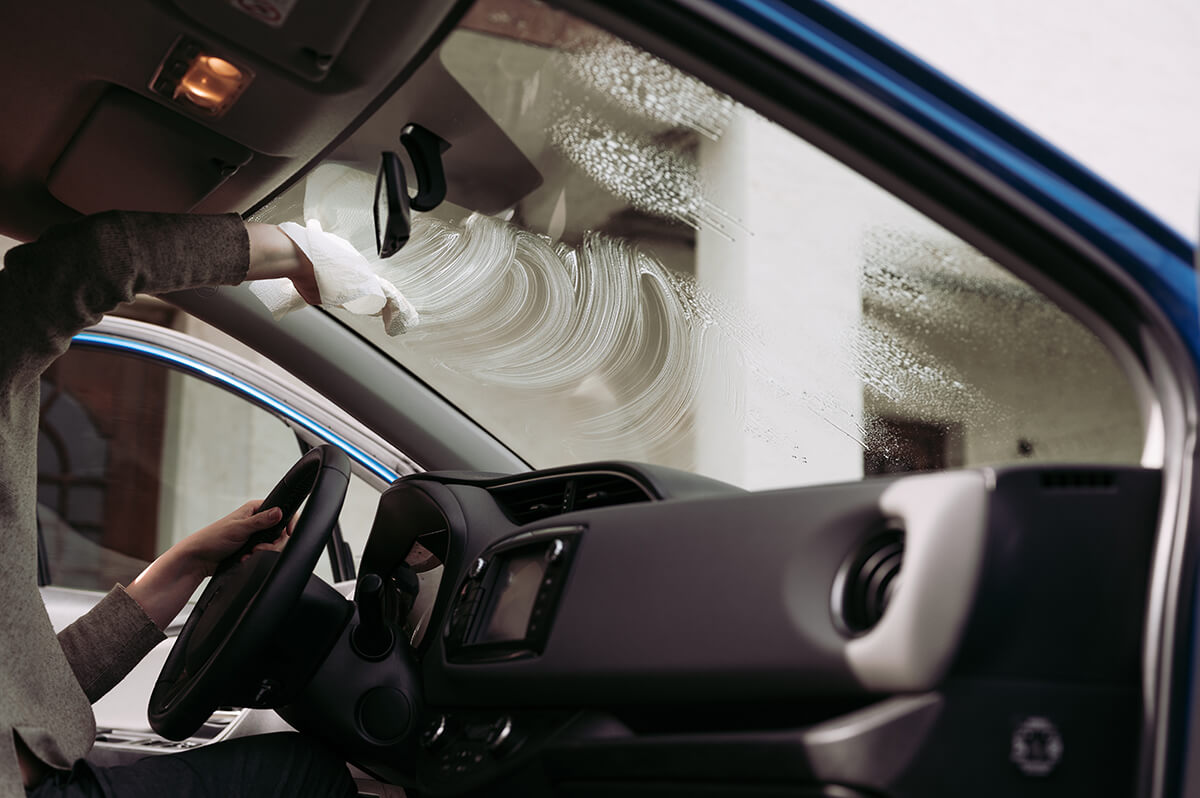
The good news is that with the right tools and a proper cleaning method, you can make the inside of your windshield look just as spotless as the outside. Here’s how to get the best results safely and efficiently.
What You’ll Need Before You Start
- Microfiber towels: Use two or three clean microfiber towels for different stages of cleaning. One should be for applying cleaner, another for wiping residue, and a final dry towel for buffing. Microfiber fabric is soft, absorbent, and won’t scratch the glass, unlike paper towels or cotton rags that can leave lint and streaks behind.
- Glass cleaner (ammonia-free): Choose an ammonia-free glass cleaner that’s safe for tinted windows and interior surfaces. Ammonia-based products can damage window tint and leave behind strong fumes. A dedicated automotive glass cleaner ensures a streak-free finish and prevents chemical haze.
- Rubbing alcohol or vinegar solution: Rubbing alcohol or white vinegar helps dissolve stubborn grease and film before you use your main cleaner. Apply a small amount to your cloth and wipe gently over the glass to break down buildup for a cleaner finish.
- Spray bottle with distilled water: Fill a spray bottle with distilled water to dilute cleaners or rinse the glass if needed. Distilled water contains no minerals, so it won’t leave water spots or streaks on your windshield.
- Reach-and-clean tool for corners: If you’ve ever struggled to clean those awkward corners near the dashboard, a reach tool is a game-changer. It saves your shoulders from stretching and helps get into those hard-to-reach spots where grime likes to hide.
- Magic Eraser for heavy film (optional): For cars exposed to smoke or interior protectants, a melamine foam pad (commonly known as a Magic Eraser) can safely remove bonded film. Use gentle pressure and avoid dry scrubbing. Afterward, clean the surface with glass cleaner to neutralize any residue.
Step-by-Step Instructions On How To Clean the Inside of a Car Windshield
- Step 1: Start by using a clean, dry microfiber towel to remove any loose dust or debris from the inside of your windshield. This quick step prevents particles from spreading or scratching the glass once you apply the cleaner. Use light, sweeping motions and focus on corners where dust tends to collect.
- Step 2: Next, apply a small amount of rubbing alcohol or a vinegar-water solution to your towel and wipe the windshield evenly. This step cuts through oily residue and plastic off-gassing that regular glass cleaner can’t fully remove. It’s especially useful for smokers or vehicles that use dashboard sprays.
- Step 3: If the glass still looks cloudy after degreasing, lightly use a damp Magic Eraser to remove the remaining film. Work gently in small circular motions without pressing too hard. This step helps lift any bonded residue that typical cleaners can’t reach. Always follow up with a microfiber wipe.
- Step 4: Spray a little glass cleaner onto your towel instead of the glass itself. It keeps things neat and prevents streaks on the dashboard. Wipe the inside of your windshield from top to bottom so any cleaner residue runs downward.
- Step 5: Wipe the glass in small circular motions to remove any remaining residue, then finish with vertical strokes. This method helps eliminate streaks and ensures the entire surface is evenly cleaned. Adjust your reach tool for tight corners or lower edges.
How to Prevent Interior Haze From Coming Back
It’s disappointing to clean your windshield only to see the haze come back a few days later. The easiest way to avoid that is to control what’s causing it.
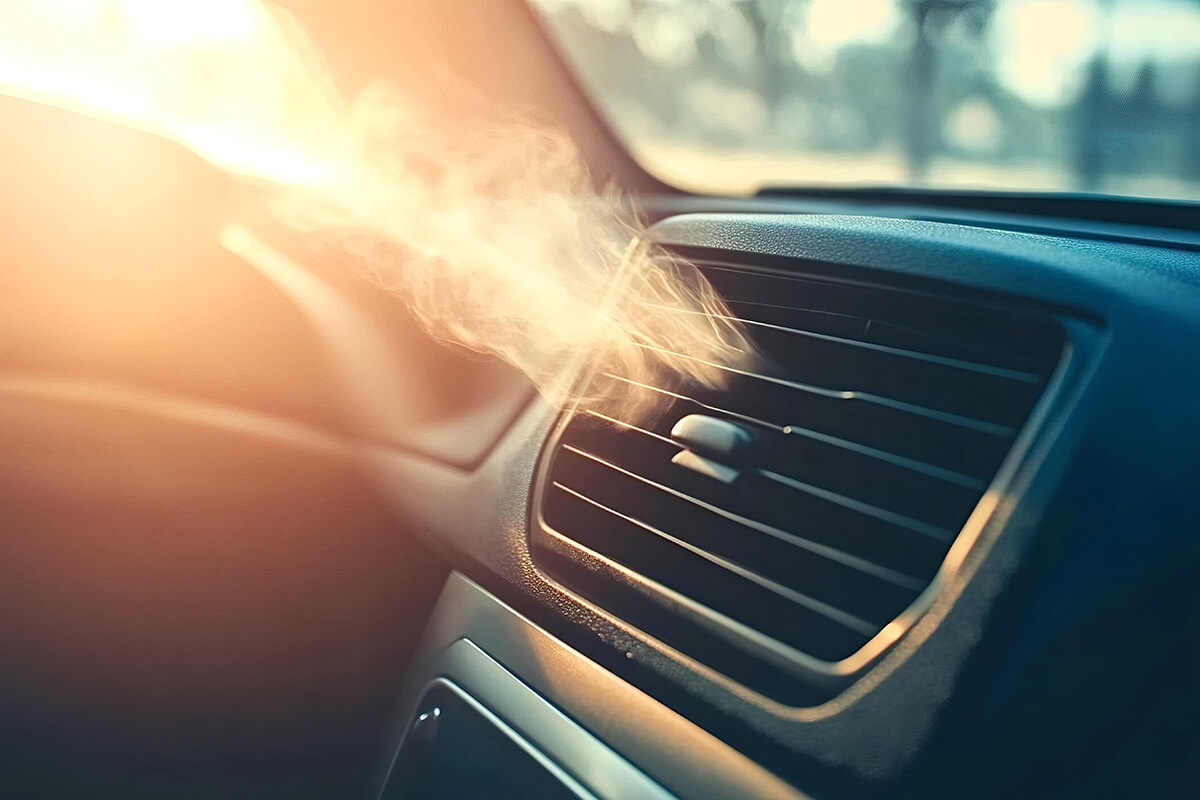
Keep your car well ventilated to minimize moisture, and skip silicone-based or glossy dashboard cleaners that release residue into the air. Giving your clean interior windshield a quick wipe with a microfiber towel each week helps stop haze before it forms. It’s a simple habit that keeps your visibility clear and your car looking its best.
When You Shouldn’t Clean Your Windshield Yourself
Before you clean your interior windshield, it’s important to make sure the glass is in good condition. If you notice any cracks, chips, or small star-shaped fractures, it’s best to avoid cleaning it yourself. Even gentle pressure or common cleaning solutions can cause the damage to spread, making the glass more fragile.
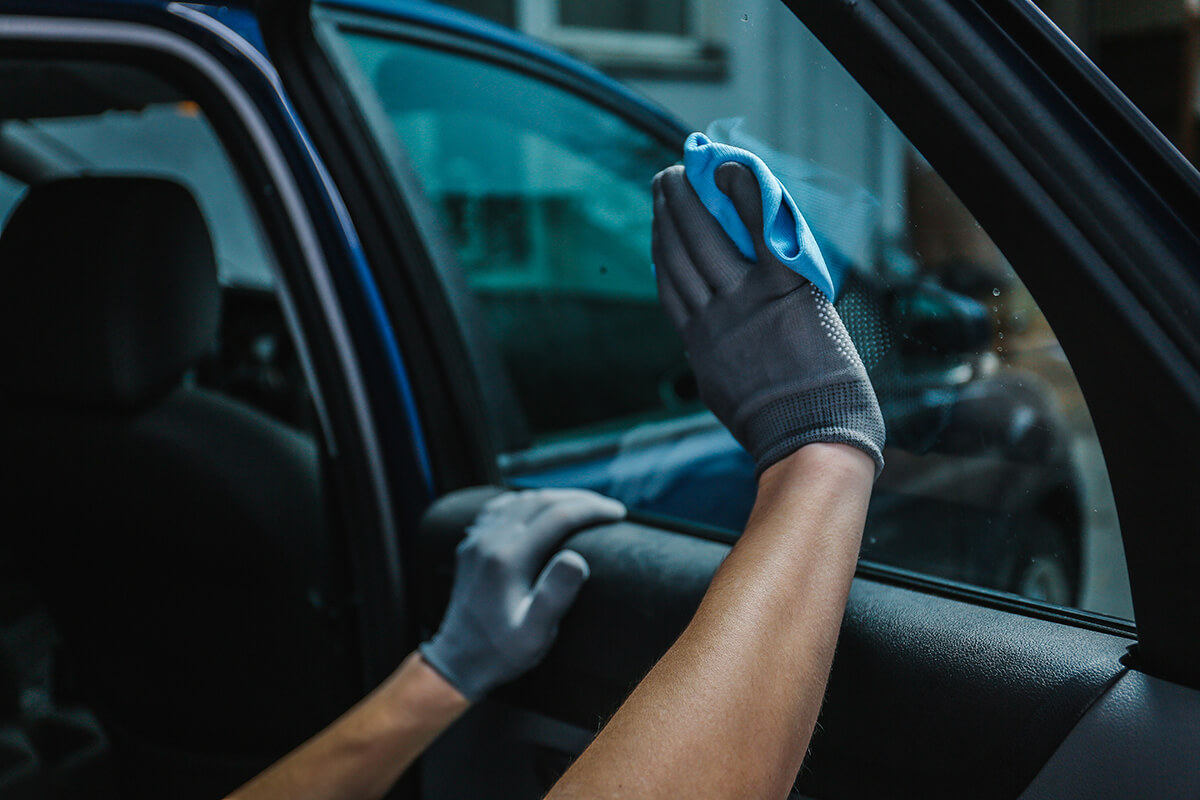
Cracks also allow moisture and dirt to get inside, which can make professional windshield repairs more difficult. In these cases, have a technician inspect your windshield first. Auto Glass Pro’s windshield specialists can determine whether it’s safe to clean, repair it if needed, and restore your glass to its original clarity.
Final Thoughts
Keeping your interior windshield free from haze is a small step that pays off in safety and comfort. Taking care of the inside helps prevent haze, cuts down glare, and makes your car feel brighter and fresher. With the proper technique and products, maintaining a clear windshield becomes an easy part of caring for your vehicle.
However, it’s important to remember to avoid cleaning your windshield when you see signs of damage. If you notice chips, cracks, or small fractures, let Auto Glass Pro take a look before you do anything else.