

You start the car, pull out of the driveway, and within seconds, your windshield starts to cloud over. You adjust the vents, crank the heat, maybe wipe the glass with your sleeve, and hope it clears fast. Sometimes it works. Sometimes it doesn’t.

If you’ve ever wondered what the proper way to defog a windshield actually is, this guide walks you through the right steps so you can clear the glass quickly and keep it from fogging up again.
Why Your Windshield Gets Foggy
Whether it’s winter or summer, foggy windshields seem to be a problem every driver runs into, regardless of the season. It’s because foggy car windows and windshields have less to do with cold weather and more to do with trapped humidity inside your car. When the air in your vehicle holds moisture and hits a cooler piece of glass, you get condensation on the inside of the windshield.

This is the same basic process that causes a bathroom mirror to fog up after a hot shower. The glass cools faster than the air around it, and the moisture in the air settles on the surface. In your car, that can happen on cold winter mornings, during humid summer days, or even when it’s raining outside, and moisture builds up inside the cabin.
The Dangers of Driving with a Foggy Windshield
A foggy windshield is not just inconvenient. It also increases your risk of an accident. A slightly hazy windshield can quickly turn into a serious problem once headlights, streetlights, and rain start reflecting off the glass. In those conditions, fog can distort your view of lane markings, pedestrians, cyclists, and sudden stops.

Foggy car windows also reduce your peripheral vision. That matters more than most people realize, especially when changing lanes, turning left, or reversing in a parking lot.
How to Defog a Car Windshield
There is a right way to remove fog in the car, and it does not involve wiping the windshield with your sleeve. Most drivers already have everything they need built into their vehicle to remove fog in the car quickly and safely. The key is knowing which settings to use and in what order. Here are some simple, effective tips on how to defog your windshield properly:
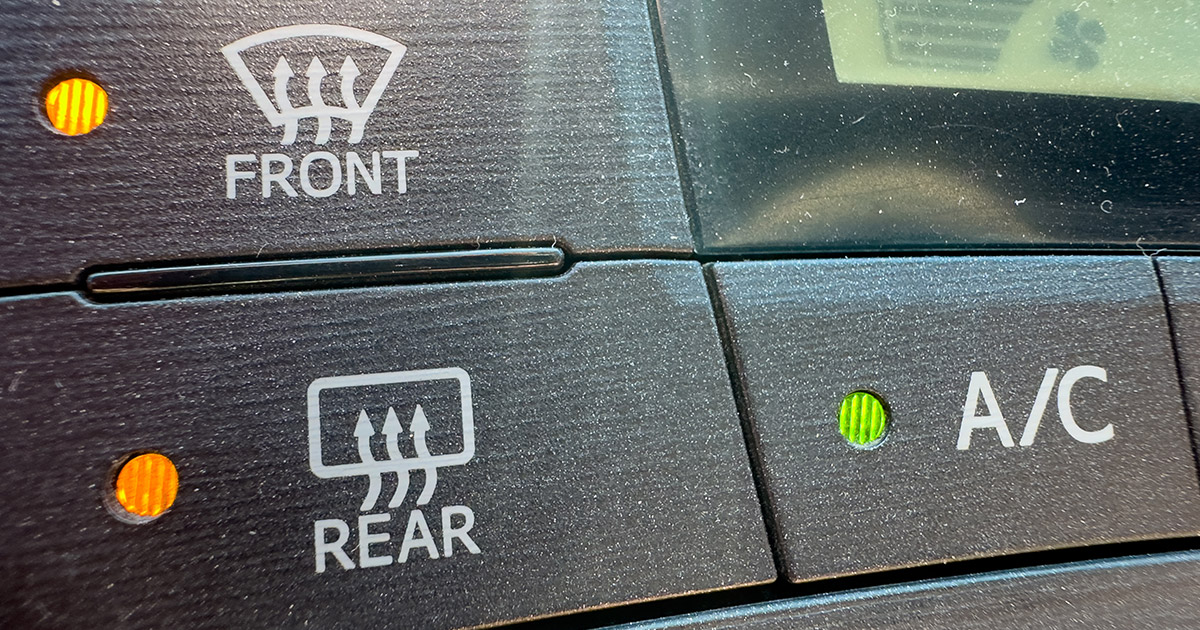
1. Turn on the Defroster
Start by directing airflow toward the windshield. The defrost setting is specifically designed to push air across the glass surface, which helps clear moisture faster than regular vents.
2. Increase the Temperature
Warm air holds more moisture than cold air. By turning up the heat slightly, you help the system absorb the humidity inside the cabin instead of letting it settle on the glass.
3. Switch On the Air Conditioning
This step surprises many drivers, especially in colder months. Your air conditioning system removes moisture from the air, even when the heat is running. Using both together speeds up the process significantly.
4. Turn Off Recirculation Mode
Recirculation keeps the same humid air trapped inside the vehicle. Switching to fresh air mode allows drier outside air to enter, which helps balance humidity levels inside the car.
5. Crack the Windows Slightly if Needed
If the interior feels especially damp, opening a window just a little can help excess moisture escape. Even a small amount of airflow can make a noticeable difference.
When you use these steps together, the fog clears much faster. Instead of pressing random buttons and hoping for the best, this order gives you a reliable way to clear the windshield and get back to a clear view.
How to Stop a Car From Fogging Up: Simple Habits That Make a Big Difference
Defogging your windshield is one thing. Keeping it from fogging up again is another. If your windows seem to haze up every time you get in the car, it usually means there’s extra moisture trapped inside.
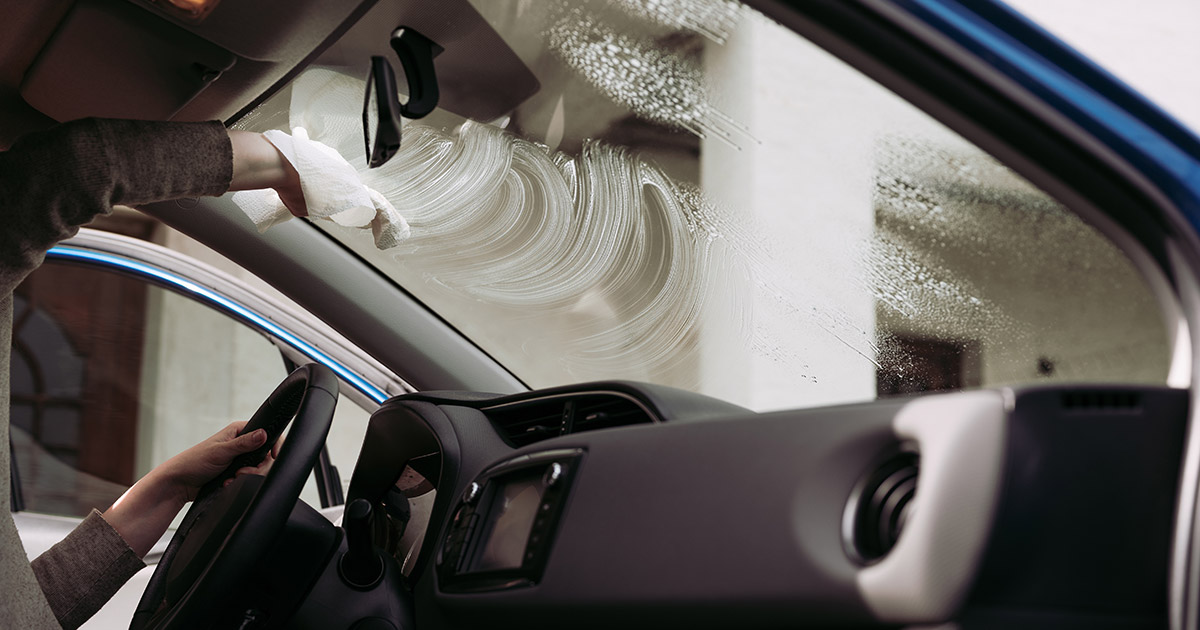
Making a few simple changes can cut down on interior moisture and make foggy windows much less common. Here are a few practical habits that can help:
Keep Your Windows Clean
It may not seem obvious, but dirty glass fogs up faster. Dust, residue, and oils from hands create a thin film that moisture clings to. Cleaning the inside of your windshield with a proper auto glass cleaner and a microfiber cloth helps reduce buildup and makes it harder for condensation to stick.
Replace the Cabin Air Filter Regularly
Your cabin air filter helps keep air circulating properly inside the vehicle. When it becomes clogged, airflow drops and moisture can linger longer than it should. Replacing the filter at the right intervals supports better ventilation and makes it easier to manage interior humidity.
Avoid Using Recirculation Mode for Long Periods
Recirculation traps the same humid air inside the cabin. While it’s useful in certain conditions, leaving it on too long can increase interior moisture. Switching to fresh air mode allows outside air to circulate and balance humidity levels more effectively.
Remove Wet Items Promptly
Wet floor mats, umbrellas, boots, and jackets can add a surprising amount of moisture to your car. If you leave them inside, that humidity has nowhere to go, which makes fogging more likely. When you can, dry items out before tossing them in the back seat. Even a quick shake outside the car helps, and cracking a window slightly can also reduce moisture buildup.
Run Your Air Conditioning Periodically
Your A/C system does more than cool the air. It removes moisture from it. Running the air conditioning occasionally, even in cooler months, helps dry out the cabin and prevents lingering humidity from building up over time.
Check for Water Leaks
If your windows fog up constantly, there may be hidden moisture inside the vehicle. Water can seep in through worn door seals, a damaged windshield seal, or a blocked sunroof drain. If you notice damp carpets or a musty smell, it may be worth having the vehicle inspected.
Key Takeaways
Windshield fogging is manageable once you understand the system behind it. With the right settings and a few preventative habits, you can keep your view clear whether it’s raining, freezing, or humid outside.
If fogging issues persist or you notice cracks, chips, or other damage to your windshield, Auto Glass Pro can help. Their certified technicians handle everything from windshield repair to full replacement using high-quality OEM glass that meets original safety standards. Fill out our online form today for a free quote